Petal Power: Unfurling Serenity from Nature’s Embrace to Combat Modern Anxiety
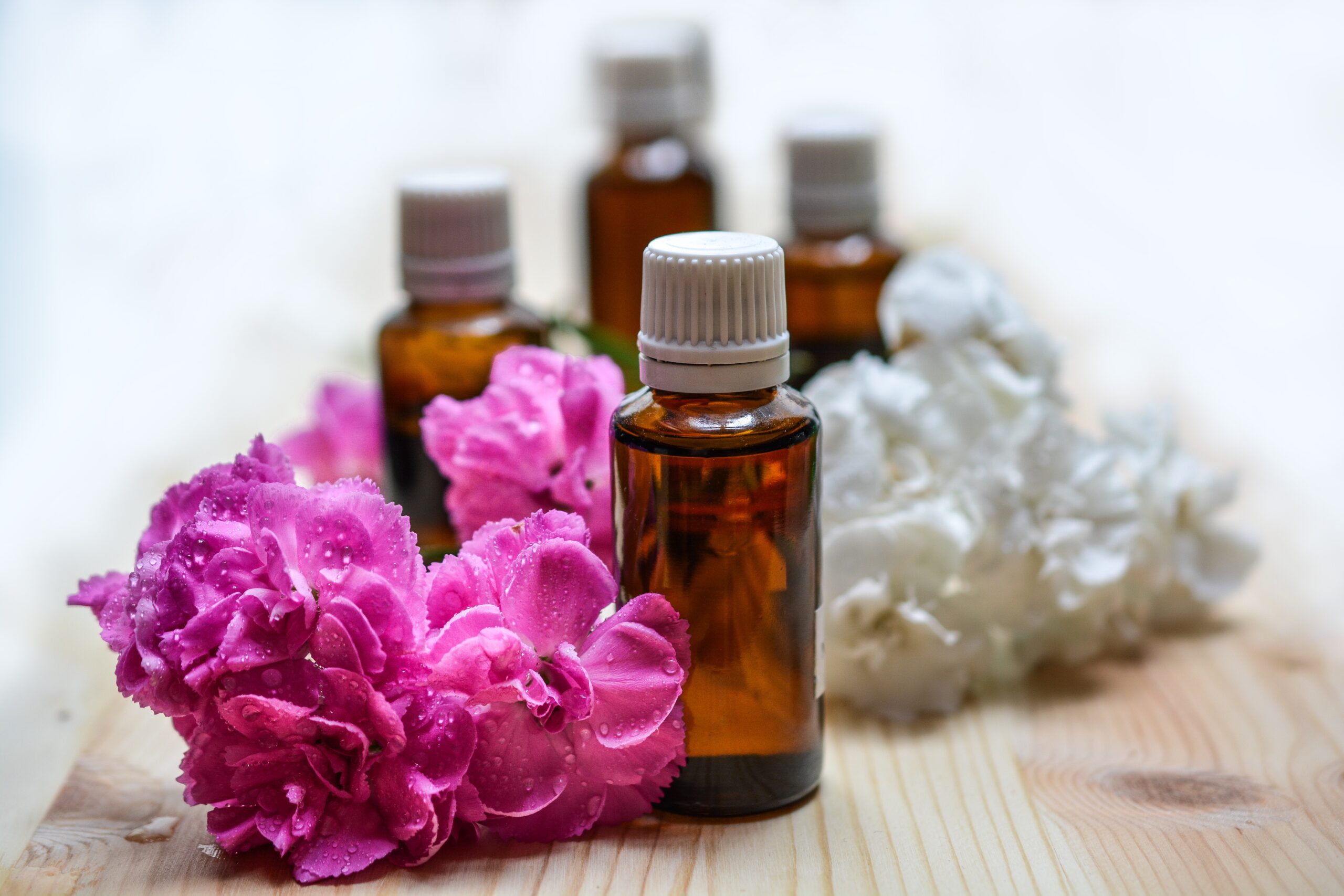
In a world perpetually aglow with the blue light of screens, where the relentless hum of notifications replaces the gentle rustle of leaves, and the pace of life accelerates with dizzying speed, a silent epidemic has taken root: modern anxiety. It is an insidious companion, whispering doubts, tightening chests, and stealing the restorative balm of sleep from millions. We find ourselves adrift in a sea of information overload, societal pressures, and a profound disconnection from the very rhythms that once governed human existence. In this landscape of ceaseless demands and digital cacophony, many yearn for a sanctuary, a balm that can soothe the frayed edges of the soul without the harsh side effects often associated with conventional remedies.
It is here, in this yearning, that an ancient wisdom, imbued with the delicate strength of nature, resurfaces with renewed relevance: Petal Power. This is not merely about pretty scents or fleeting fragrances; it is a profound journey into the heart of floral aromatherapy, a meticulously crafted interplay of botanical science, historical reverence, and the undeniable magic that blossoms hold for the human spirit. Our story begins not in laboratories, but in sun-drenched gardens, in the quiet wisdom of our ancestors, and in the intricate molecular dance that occurs when the essence of a flower meets the sophisticated machinery of the human brain. It is a narrative of rediscovery, proving that sometimes, the most potent antidotes to our most modern afflictions lie gently folded within the tender embrace of a petal.
The Unseen Burden: Understanding Modern Anxiety
Before we delve into the fragrant solutions, it is crucial to articulate the challenge we face. Modern anxiety is a multi-headed hydra, fueled by a constellation of contemporary factors. The relentless scroll of social media cultivates comparison and FOMO (Fear Of Missing Out), creating a constant feeling of inadequacy. The 24/7 news cycle bombards us with global crises, fostering a sense of helplessness and existential dread. Economic precarity, the gig economy, and the blurring lines between work and personal life erode security and foster chronic stress. Furthermore, our urbanized existence often severs our innate connection to nature, a phenomenon known as "nature deficit disorder," leaving us adrift from the grounding presence of the natural world.
The symptoms are as varied as they are debilitating: persistent worry, restlessness, irritability, difficulty concentrating, muscle tension, headaches, digestive issues, and, perhaps most pervasive, disturbed sleep. This chronic state of heightened alert taxes the body and mind, leading to burnout, depression, and a diminished quality of life. While modern medicine offers pharmacological interventions, many seek complementary approaches that are gentle, accessible, and align with a holistic view of well-being. They desire solutions that address not just the symptoms, but the underlying imbalance, fostering a deeper sense of peace and resilience. This is where the story of Petal Power truly begins to unfold, offering a whispered promise of serenity from an unexpected source.
A Whisper from the Past: The Ancient Roots of Floral Healing
The idea that flowers possess healing properties is far from new. It is a truth woven into the very fabric of human history, a common thread connecting diverse cultures across millennia. Long before the advent of scientific instruments, humanity intuitively understood the profound impact of nature on health and spirit.
In ancient Egypt, flowers like the blue lotus and rose were not merely symbols of beauty but were integral to rituals, medicine, and embalming. Their essences were extracted and incorporated into perfumes, oils, and balms, believed to confer protection, spiritual elevation, and physical healing. The Greeks and Romans, heirs to much Egyptian knowledge, expanded upon these practices, using floral extracts in their public baths, for medicinal poultices, and as fragrant offerings to their deities. The physician Galen, for instance, championed the use of rose oil for its cooling and calming properties.
Across the Silk Road, in ancient China, traditional medicine meticulously documented the therapeutic properties of various flowers, such as chrysanthemum for clearing heat and anxiety, and jasmine for mood elevation and digestive health. In India, Ayurveda, one of the world’s oldest holistic healing systems, reveres flowers like rose, jasmine, and lotus for their ability to balance the doshas, calm the mind, and open the heart chakra. Floral waters, essential oils, and pastes were (and still are) central to their therapeutic practices.
During the European Middle Ages, monastic gardens became vital centers of herbal knowledge, where monks cultivated and studied medicinal plants, including many fragrant flowers, for their healing attributes. The Victorian era, with its elaborate "language of flowers" (floriography), might seem purely romantic, but it underscored a deeper cultural appreciation for the symbolic and emotional power of blooms, a connection that hinted at their intrinsic ability to communicate and influence human feeling.
What unites these disparate historical threads is the consistent recognition of flowers not just for their visual splendor, but for their aromatic essence. The act of smelling a flower, of being enveloped by its fragrance, was instinctively understood to influence mood, memory, and well-being. Our ancestors, perhaps without the scientific vocabulary, understood that the volatile compounds emanating from petals held a profound power – a power that modern science is now meticulously unraveling.
The Science Behind the Scent: A Journey into the Olfactory Brain
To truly appreciate Petal Power, we must delve into the remarkable mechanics of our sense of smell – the olfactory system – and its direct, unfiltered access to the very seat of our emotions and memories. Unlike other senses, which must first pass through the thalamus (the brain’s relay station), scent molecules take a unique, direct route.
When we inhale the delicate fragrance of a rose or the herbaceous aroma of lavender, volatile organic compounds (VOCs) carried in the air enter our nasal cavity. Here, they bind to specialized olfactory receptors located on the olfactory epithelium. Each receptor is designed to detect specific molecular shapes, acting like a lock and key. Once bound, these receptors generate electrical signals that travel directly along the olfactory bulb to the limbic system, a primitive and powerful part of the brain responsible for emotions, memory, motivation, and arousal.
Crucially, the limbic system includes:
- The Amygdala: The brain’s alarm bell, processing fear and emotional responses. Scent can directly influence its activity, helping to modulate fear and anxiety responses.
- The Hippocampus: Essential for memory formation and retrieval. This explains why scents are so powerfully linked to memories, evoking vivid recollections and emotional states.
- The Hypothalamus: A control center for many bodily functions, including stress response, sleep, and appetite.
This direct pathway is why a scent can instantly trigger a strong emotional reaction or transport us back in time, bypassing conscious thought. It’s also why aromatherapy, particularly floral aromatherapy, can have such immediate and profound effects on our emotional and physiological state.
Beyond this direct neurological pathway, the volatile compounds in essential oils interact with our bodies at a deeper neurochemical level. When absorbed through inhalation or topical application, these compounds can influence the release and regulation of key neurotransmitters:
- Serotonin: Often dubbed the "feel-good" neurotransmitter, impacting mood, sleep, and appetite. Many floral oils can help increase serotonin levels.
- Dopamine: Involved in pleasure, reward, and motivation. Certain uplifting floral scents can stimulate dopamine release, combating feelings of apathy or low mood.
- GABA (Gamma-aminobutyric acid): The brain’s primary inhibitory neurotransmitter, responsible for calming nervous activity. Compounds like linalool (found in lavender) mimic GABA, leading to a sedative and anxiolytic effect.
- Cortisol: The primary stress hormone. Studies have shown that certain floral aromas can significantly reduce cortisol levels, signaling to the body that it is safe to relax and downregulate the "fight or flight" response.
Furthermore, these compounds can influence the autonomic nervous system, shifting the balance from the sympathetic (fight or flight) to the parasympathetic (rest and digest) state. This results in physiological changes such as decreased heart rate, lowered blood pressure, and relaxed muscle tension – all crucial in mitigating the physical manifestations of anxiety.


Post Comment