The Emerald Elixir: Unveiling Kiwi’s Antioxidant Symphony for Collagen’s Revival
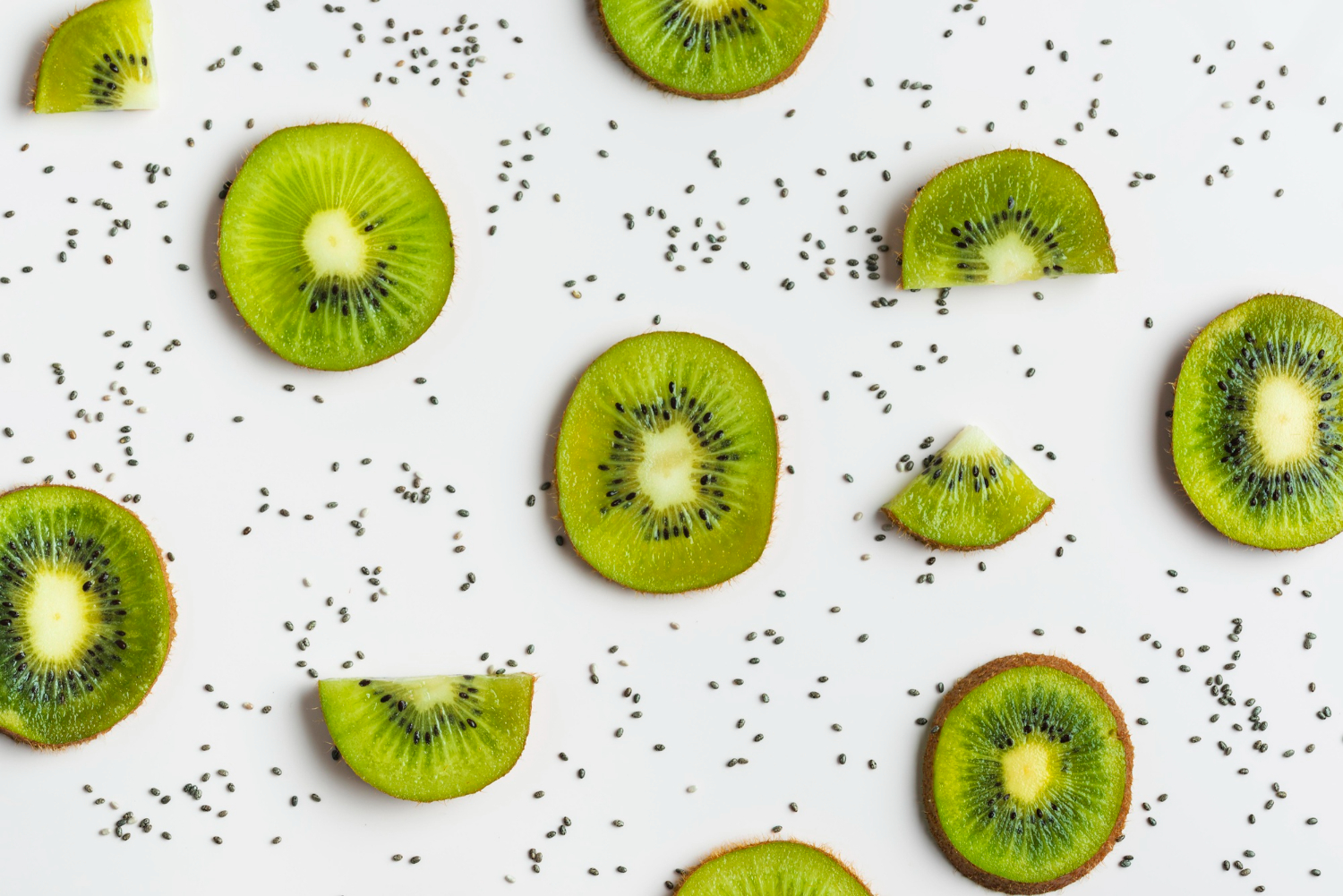
Our narrative begins with a universal quest, an age-old desire etched into the human psyche: the pursuit of vitality, resilience, and the enduring bloom of youth. While the fountain of youth remains a mythical construct, modern science increasingly reveals that the secrets to slowing the hands of time, particularly on our skin, lie not in elusive magic but in the potent wisdom of nature. At the heart of this unfolding story is collagen, the magnificent architect of our structural integrity, and its steadfast ally, the humble yet mighty kiwi – an emerald elixir brimming with a symphony of antioxidants.
This isn’t merely a tale of a fruit and a protein; it’s a profound exploration of intricate biochemical pathways, the relentless battle against cellular degradation, and the surprising power of dietary choices to sculpt our internal landscape. For the knowledgeable seeker of true wellness, understanding this relationship transcends superficial beauty tips, diving deep into the very essence of cellular health and the strategic defense mechanisms nature has provided.
Chapter 1: The Grand Architect – Collagen, The Unsung Hero
Before we delve into the kiwi’s heroic role, we must first understand the protagonist it seeks to protect and bolster: collagen. Imagine the human body as an elaborate, multi-storied edifice. If our bones are the steel framework, then collagen is the robust, flexible concrete that binds everything together, providing strength, elasticity, and structural integrity to virtually every tissue. It is the most abundant protein in mammals, constituting about 25-35% of the total protein content, and it plays a critical role far beyond mere aesthetics.
In the skin, collagen is the primary structural protein, forming a dense, intricate meshwork in the dermis. This network is responsible for the skin’s firmness, elasticity, and ability to resist stretching. Along with elastin, it provides the skin with its youthful bounce and smooth texture. As we age, however, the production of new collagen naturally declines, and existing collagen begins to degrade at an accelerated rate. This insidious process leads to the hallmarks of aging: fine lines, wrinkles, sagging skin, and a loss of the vibrant plumpness that characterizes youth.
Beyond the skin, collagen is a vital component of bones, tendons, ligaments, cartilage, blood vessels, and even our digestive tract. Its widespread presence underscores its fundamental importance to overall health and mobility. A decline in collagen doesn’t just manifest as a visible wrinkle; it can contribute to joint pain, brittle bones, and compromised tissue repair. Thus, supporting collagen health is not merely a cosmetic endeavor but a holistic pursuit of well-being.
The synthesis of collagen is a remarkably complex process, involving a cascade of enzymatic reactions within specialized cells called fibroblasts. These dermal architects are perpetually working to build, maintain, and repair the collagen matrix. However, their efficiency and the quality of collagen they produce are highly dependent on a continuous supply of specific amino acids (primarily glycine, proline, and hydroxyproline) and crucial cofactors, notably vitamin C. Without these essential building blocks and catalysts, the entire process falters, leading to compromised structural integrity.
Chapter 2: The Silent Antagonist – Oxidative Stress and the Free Radical Menace
Every grand story needs an antagonist, and in our narrative of collagen and youth, that role is played by oxidative stress – a relentless internal assailant driven by free radicals. Free radicals are highly unstable molecules with unpaired electrons, rendering them incredibly reactive. In their desperate attempt to achieve stability, they indiscriminately steal electrons from other molecules in the body, initiating a destructive chain reaction that can damage cells, proteins, lipids, and even DNA.
These rogue molecules are a natural byproduct of our metabolism, constantly generated during normal cellular processes like energy production. However, their numbers are dramatically amplified by external factors – the "extrinsic aging" elements that bombard us daily:
- Ultraviolet (UV) Radiation: Sun exposure is perhaps the most significant external contributor to free radical generation and collagen damage.
- Environmental Pollutants: Smog, industrial chemicals, and particulate matter introduce a barrage of free radicals into our system.
- Smoking: Tobacco smoke is a potent source of countless pro-oxidants.
- Poor Diet: Diets rich in processed foods, unhealthy fats, and sugars can promote systemic inflammation and oxidative stress.
- Stress: Chronic psychological stress has been linked to increased free radical production.
- Inflammation: While a necessary immune response, chronic inflammation can itself generate free radicals and lead to widespread tissue damage.
When free radicals attack collagen, they can cause several detrimental effects. They can initiate cross-linking, where collagen fibers become stiff and rigid, losing their characteristic flexibility. They can also directly cleave collagen molecules, leading to fragmentation and weakening of the dermal matrix. Furthermore, oxidative stress can damage the fibroblasts themselves, impairing their ability to synthesize new, healthy collagen and repair existing damage. This double assault – both degrading existing collagen and hindering new production – creates a vicious cycle that accelerates skin aging.
This is where the concept of antioxidants becomes paramount. Antioxidants are molecules that can safely donate an electron to a free radical, neutralizing its destructive potential without becoming unstable themselves. They are the body’s natural defense system, working tirelessly to quell the oxidative storm and protect our precious cellular machinery, including the fibroblasts and the collagen they produce.
Chapter 3: Enter the Emerald Hero – The Kiwi’s Antioxidant Symphony
Now, the stage is set for our hero: the unassuming, fuzzy, yet extraordinarily potent kiwi. Often lauded for its high vitamin C content, the kiwi is, in fact, a complex symphony of bioactive compounds that work in concert to protect and enhance collagen production. It’s not just a single note, but a rich, layered composition of vitamins, minerals, and polyphenols, each playing a crucial role in maintaining cellular equilibrium and fostering youthful skin.
3.1. Vitamin C: The Cornerstone of Collagen Synthesis
The star performer in kiwi’s collagen-boosting orchestra is undoubtedly Vitamin C, or ascorbic acid. Kiwi consistently ranks among the fruits with the highest vitamin C concentration, often surpassing oranges gram for gram. For a knowledgeable audience, merely stating "Vitamin C is good for collagen" is insufficient; understanding why is key.
Vitamin C is an absolute prerequisite for collagen synthesis. It acts as an essential cofactor for two critical enzymes:
- Prolyl hydroxylase: This enzyme is responsible for hydroxylating proline residues in procollagen (the precursor molecule to collagen). Hydroxyproline is crucial for stabilizing the triple helix structure of collagen, giving it its characteristic strength and rigidity. Without sufficient vitamin C, the collagen produced is unstable and quickly degrades.
- Lysyl hydroxylase: Similarly, this enzyme hydroxylates lysine residues, which are vital for forming the strong covalent cross-links between collagen molecules. These cross-links are what give collagen its incredible tensile strength and resilience.


Post Comment