The 30-Minute Miracle: How a Quick Swim Outperforms an Hour at the Gym
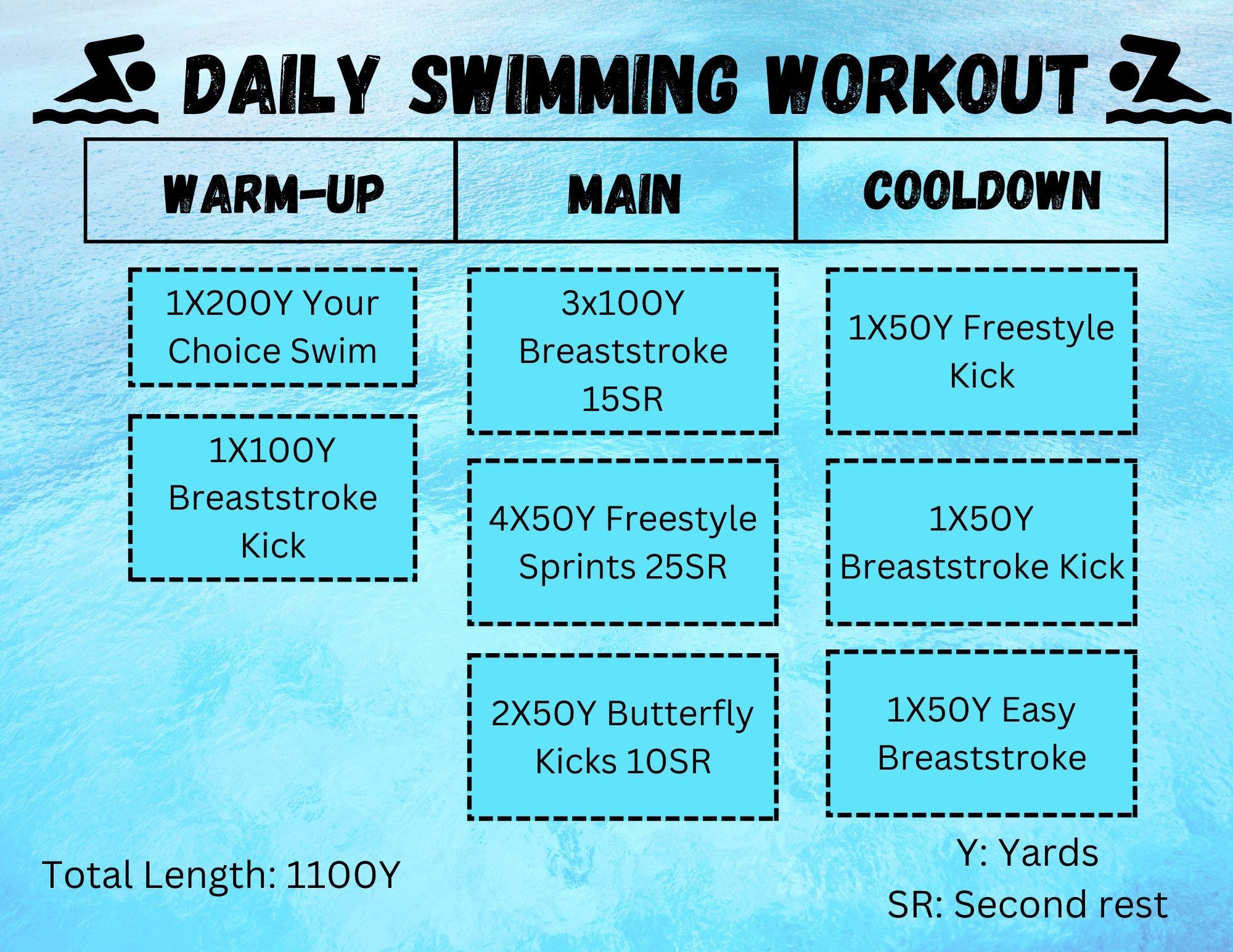
In the relentless churn of modern life, time has become our most coveted commodity, and the pursuit of fitness often feels like a luxurious expenditure we can ill afford. We juggle careers, families, social obligations, and the silent, insistent ping of our digital lives, leaving precious few moments for self-care. It’s a familiar narrative: the aspiration for a healthier, stronger body clashing with the harsh realities of a packed schedule. For many, the gym represents the traditional sanctuary for this pursuit, a place where sweat equity is traded for physical gains. We envision an hour, perhaps more, dedicated to machines, weights, and treadmills, believing that only such a sustained effort can yield meaningful results.
But what if this conventional wisdom, deeply ingrained in our collective consciousness, were only part of the story? What if the true path to optimal fitness, one that integrates physical prowess with mental serenity and remarkable efficiency, lay not in the clanging weights and whirring machines, but in the silent, shimmering embrace of water? This article dares to posit a provocative truth: a focused, thirty-minute swim can not only rival but often outperform a full hour spent in a conventional gym setting. It’s a bold claim, perhaps, but one rooted deeply in the unique biomechanics, physiological benefits, and profound psychological impact of the aquatic environment. We’re not just talking about exercise; we’re exploring a holistic miracle that redefines what it means to be truly fit in the fleeting moments we have.
Deconstructing the Gym Hour: The Hidden Costs and Inefficiencies
Before we plunge into the depths of the pool’s superiority, let’s first cast a critical eye upon the typical gym hour. For the knowledgeable fitness enthusiast, the gym often represents a diverse toolkit, a veritable smorgasbord of equipment designed to target every muscle group. Yet, for the average individual navigating a busy schedule, the reality of that hour is often far less efficient than imagined.
Consider the logistics: the journey to and from the gym can easily consume 15-30 minutes of travel time, followed by another 10-15 minutes for changing, finding a locker, and mentally preparing. Suddenly, your allocated "hour" of workout time has already dwindled to 30-40 minutes of actual activity. Within that window, the typical gym-goer faces a series of further inefficiencies. There’s the waiting game – queues for popular machines, benches, or squat racks. These inter-set rests, while sometimes intentional for recovery, often extend beyond optimal limits due to availability. The fragmented nature of a gym workout, moving from one machine to another, isolating muscle groups, means that the cardiovascular system is engaged intermittently, often without sustaining the elevated heart rate required for significant aerobic conditioning.
Furthermore, the repetitive, often linear motions of many gym machines can lead to imbalances and overuse injuries. Treadmills, ellipticals, and stair climbers, while effective for cardiovascular work, are primarily unilateral or bilateral, neglecting the rotational and multi-planar movements crucial for functional strength and injury prevention. Weightlifting, while indispensable for building strength and hypertrophy, primarily works against gravity. This can place considerable stress on joints, tendons, and ligaments, particularly if form is compromised or loads are too heavy. The constant impact of running on a treadmill, or the strain on the spine from poorly executed lifts, contributes to a higher risk of musculoskeletal issues over time. For the individual seeking a holistic, sustainable fitness routine, the gym, for all its undeniable merits, presents a landscape often fraught with hidden inefficiencies and potential physical tolls that can undermine long-term commitment.
Then there’s the mental aspect. The gym environment, with its often-loud music, mirrors, and sometimes intimidating atmosphere, can be a source of psychological fatigue. The relentless pursuit of heavier weights or faster speeds can become a mental burden, leading to burnout and a plateau effect where motivation wanes. The act of "working out" can feel like a chore, a necessary evil, rather than an invigorating experience. This is where the story of fitness often takes a turn towards disillusionment, where good intentions are drowned out by the perceived grind and the tangible friction of the gym experience.
The Aquatic Advantage: A Full-Body Symphony in 30 Minutes
Now, let us turn our gaze to the pool, where the "30-minute miracle" truly begins to unfold. Imagine stepping into the cool, embracing water, the gentle resistance immediately making its presence felt. From the very first stroke, swimming orchestrates a symphony of physical benefits that often far surpasses the fragmented efforts of a longer gym session.
1. Unparalleled Full-Body Engagement:
Unlike most gym exercises that isolate specific muscle groups, swimming engages virtually every major muscle in the body simultaneously. With each stroke – whether it’s the powerful pull of the freestyle, the graceful glide of the breaststroke, or the dynamic rotation of the backstroke – your core, back, shoulders, arms, and legs are all actively recruited. Your core muscles are constantly stabilizing your body, your lats and deltoids power the pull, your triceps push, and your glutes and hamstrings drive the kick. This integrated, compound movement pattern builds balanced strength and muscular endurance, fostering a more functional and resilient physique. The water’s resistance, approximately 12 times greater than air, provides a continuous, concentric, and eccentric workout, meaning your muscles are working both to contract and to control the extension, leading to more comprehensive development in a shorter time frame.
2. Cardiovascular Prowess Without the Pounding:
Swimming is an exceptional cardiovascular workout, elevating your heart rate and strengthening your heart and lungs without the high impact associated with running or jumping. The sustained, rhythmic motion of swimming pushes your aerobic capacity, improving oxygen delivery to your muscles and enhancing your body’s ability to utilize energy efficiently. Short, intense bursts of swimming (interval training) can also tap into anaerobic systems, boosting your VO2 max and overall cardiovascular fitness. Yet, because of the water’s buoyancy, your joints are spared the jarring impact, making it an ideal exercise for recovery, injury prevention, and for individuals of all ages and physical conditions, including those with arthritis, joint pain, or recovering from injuries. This low-impact nature is a game-changer, allowing for consistent, vigorous activity without the cumulative wear and tear that can derail gym routines.
3. A Natural Sculptor of Flexibility and Range of Motion:
The flowing movements of swimming naturally encourage a full range of motion in your shoulders, hips, and spine. Each stroke involves an extension and rotation that gently stretches your muscles and ligaments, improving flexibility and joint mobility. This elongating effect, particularly beneficial for those with desk-bound jobs, helps to counteract stiffness and promotes better posture. The consistent stretching and strengthening of stabilizing muscles around the joints contribute to greater overall functional movement and reduce the risk of future injuries. Imagine the graceful, fluid movement through water, a stark contrast to the often rigid and confined movements on gym equipment.
4. Respiratory Revolution:
The controlled breathing required in swimming, especially when performing bilateral breathing in freestyle, significantly strengthens your respiratory muscles, including the diaphragm and intercostals. This leads to improved lung capacity and efficiency, allowing your body to take in and utilize oxygen more effectively. For individuals with asthma or other respiratory conditions, swimming can be a transformative activity, helping to manage symptoms and enhance overall lung health. The rhythmic pattern of breath, in sync with movement, also cultivates a mindful awareness that extends beyond the pool.
Beyond the Physical: The Mind, Spirit, and Practicality of the Pool
The "30-minute miracle" extends far beyond the tangible physical transformations. Swimming offers a profound suite of mental, psychological, and practical benefits that further cement its claim as a superior, time-efficient fitness modality.
1. The Meditative Power of Water:
Perhaps one of the most compelling aspects of swimming is its unique capacity for mental restoration. Submerging oneself in water creates a sensory deprivation effect; the external world fades, replaced by the rhythmic sounds of breath and stroke. The repetitive motion, coupled with controlled breathing, induces a meditative state, reducing stress and anxiety more effectively than many gym workouts. The weightless sensation is profoundly calming, allowing the mind to detach from daily pressures. Studies have consistently linked swimming to reduced symptoms of depression and improved mood, thanks to the release of endorphins, dopamine, and serotonin. A 30-minute swim isn’t just a workout; it’s a mental reset, a liquid sanctuary where clarity emerges from chaos. You emerge not just physically invigorated, but mentally refreshed, ready to tackle the rest of your day with renewed focus and calm.
2. Enhanced Sleep Quality:
Regular moderate-intensity exercise is known to improve sleep, but swimming holds a special place in this regard. The combination of full-body exertion, mental relaxation, and the body’s natural cooling after a swim contributes to deeper, more restorative sleep. For many, a pre-bedtime swim (allowing for adequate cool-down time) can be a powerful antidote to insomnia and restless nights, leading to improved energy levels and cognitive function throughout the day.
3. Calorie Burn and Metabolic Boost:
Due to the constant resistance of water and the body’s effort to maintain core temperature in cooler water, swimming is an incredibly effective calorie burner. A vigorous 30-minute swim can easily burn as many, if not more, calories than an hour of moderate-intensity activity at the gym, depending on the stroke and intensity. Furthermore, like other forms of intense exercise, swimming can lead to EPOC (Excess Post-exercise Oxygen Consumption), commonly known as the "afterburn effect," where your body continues to burn calories at an elevated rate even after your workout is complete. This makes swimming a highly efficient tool for weight management and metabolic health.
4. Accessibility and Sustainability for All:
One of swimming’s greatest strengths is its universal accessibility. Unlike complex gym equipment that requires specific instructions and physical capabilities, swimming is adaptable to nearly all ages, fitness levels, and physical conditions. From toddlers learning to splash to seniors maintaining mobility, from elite athletes cross-training to individuals recovering from serious injuries, the pool provides a safe and effective environment. It’s a year-round activity, unaffected by weather, offering a consistent opportunity for fitness. The barrier to entry is low – a swimsuit, goggles, and access to a pool are often all that’s required, bypassing the need for expensive memberships to multiple facilities or a home gym full of equipment. This inherent sustainability ensures that swimming isn’t just a fleeting fitness trend but a lifelong practice.
Optimizing Your 30-Minute Swim: Making Every Second Count
To truly unlock the "30-minute miracle," it’s essential to approach your swim with intention and strategy. This isn’t about leisurely laps; it’s about maximizing efficiency and benefit within your limited time.




Post Comment