The Silent Symphony: How Strength Training Conducts a Masterpiece of Hormonal Health and Resilient Function
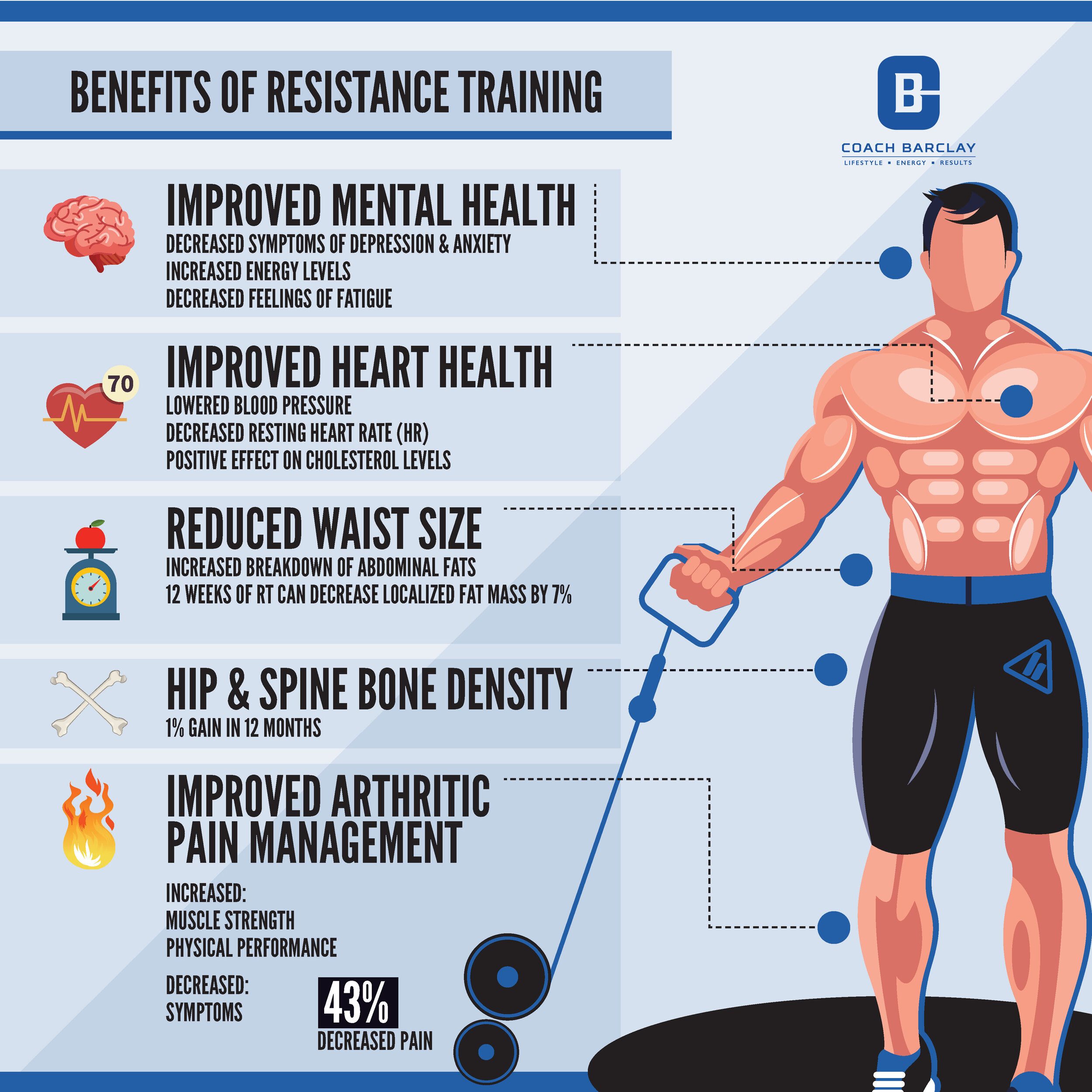
The human body is an exquisite orchestra, a symphony of intricate systems working in perfect, albeit often delicate, harmony. At the heart of this physiological masterpiece lies the endocrine system, a network of glands secreting chemical messengers—hormones—that conduct virtually every vital function, from metabolism and mood to growth and reproduction. For too long, we’ve perceived these hormones as static entities, their decline an inevitable consequence of aging or immutable genetic fate. But what if we told you there’s a powerful, accessible conductor capable of re-tuning this symphony, not just preserving, but enhancing its vitality and function? That conductor is strength training.
This is not merely an article about building bigger muscles; it’s a narrative about resilience, adaptation, and the profound, often underestimated, dialogue between mechanical stress and our deepest biological programming. It’s the story of how deliberately challenging our physical form can recalibrate our internal chemistry, fortifying us against the ravages of modern life and unlocking a sustained state of peak function.
The Endocrine Symphony Under Siege: The Modern Predicament
Before we delve into the solution, we must first understand the challenge. Our modern sedentary lifestyles, chronic stress, processed diets, and environmental toxins have conspired to disrupt this delicate endocrine balance, leading to a state of chronic low-grade inflammation, metabolic dysregulation, and a pervasive sense of diminished vitality. This isn’t just about feeling tired; it’s about a fundamental breakdown in cellular communication, a cacophony where once there was harmony.
Consider the key players in this disrupted orchestra:
- Insulin: The maestro of energy storage, responsible for ushering glucose into cells. In the face of constant sugar bombardment and inactivity, cells become "deaf" to insulin’s call, leading to insulin resistance. This is the harbinger of type 2 diabetes, but also contributes to inflammation, cardiovascular disease, and cognitive decline. The body produces more insulin to compensate, creating a vicious cycle of hyperinsulinemia that further dulls cellular sensitivity.
- Cortisol: The stress hormone, designed for acute "fight or flight" responses. In our perpetually stressed world, cortisol levels often remain chronically elevated, leading to the breakdown of muscle tissue, fat accumulation (especially visceral fat), suppressed immune function, and impaired cognitive performance. The HPA (hypothalamic-pituitary-adrenal) axis, meant to be a finely tuned instrument, becomes exhausted or hyper-reactive.
- Testosterone & Estrogen: The sex hormones, crucial not just for reproduction but for bone density, muscle mass, mood, and cognitive health in both men and women. Their decline, often accelerated by lifestyle factors, contributes to sarcopenia (muscle loss), osteopenia, reduced libido, and increased risk of depression.
- Growth Hormone (GH) & IGF-1: The anabolic architects, vital for tissue repair, muscle growth, and fat metabolism. Their natural decline with age (somatopause) contributes to reduced vitality, increased body fat, and slower recovery.
- Thyroid Hormones: The metabolic regulators, dictating the pace of cellular energy production. Suboptimal thyroid function, often influenced by stress and nutrient deficiencies, can lead to fatigue, weight gain, and cognitive fog.
- Leptin & Adiponectin: Hormones secreted by fat cells, influencing satiety and metabolic health. Leptin resistance (where the brain ignores leptin’s signals of fullness) and low adiponectin (an anti-inflammatory, insulin-sensitizing hormone) contribute to obesity and metabolic dysfunction.
This intricate web of hormonal dysregulation creates a state of systemic resistance – resistance to insulin’s signals, resistance to leptin’s satiety cues, and a generalized resistance to optimal cellular function. The body, instead of thriving, merely endures.
The Anabolic Imperative: Strength Training as the Re-optimizer
Enter strength training. Far from being a niche activity for bodybuilders, it is a fundamental human movement pattern, an ancient biological imperative. When we subject our muscles to mechanical tension and metabolic stress, we aren’t just tearing down and rebuilding tissue; we are sending profound, multi-faceted signals throughout the entire organism. We are, quite literally, speaking to our genes, our cells, and our hormones in a language they inherently understand.
The beauty of strength training lies in its acute, yet deeply impactful, stressor. It’s a controlled burst of challenge that triggers a cascade of adaptive responses. This is the crucial distinction: chronic, systemic stress is detrimental, but acute, controlled stress (like exercise) is hormetic – it strengthens the system by forcing it to adapt and recover.
The "story" of strength training within the body unfolds in several fascinating chapters, each revealing a deeper layer of its transformative power.
Chapter 1: The Cellular Crucible – Remodeling Insulin Sensitivity
The most immediate and profound impact of strength training often lies in its ability to directly combat insulin resistance. Muscle tissue is the body’s primary glucose disposal unit, accounting for up to 80% of post-meal glucose uptake. More muscle means more "sinks" for glucose.
- GLUT4 Translocation: During and immediately after strength training, muscle cells rapidly translocate glucose transporter type 4 (GLUT4) proteins to their surface. These are the "doors" that allow glucose to enter the cell without needing insulin’s key. This effect is independent of insulin, providing an immediate, powerful reduction in blood glucose levels. This improvement in insulin sensitivity can last for up to 48 hours post-exercise.
- Increased Muscle Mass: Over time, consistent strength training increases muscle mass. This physically larger "sink" for glucose means the body can handle carbohydrate loads more efficiently, reducing the burden on the pancreas and lowering baseline insulin levels.
- Reduced Intramuscular Fat: Insulin resistance is often exacerbated by the accumulation of fat within muscle cells (intramyocellular lipid). Strength training helps to mobilize and burn this ectopic fat, further enhancing insulin signaling pathways within the muscle.
- AMPK Activation: Mechanical stress and energy depletion during strength training activate AMP-activated protein kinase (AMPK), a master regulator of cellular energy. AMPK promotes glucose uptake, fatty acid oxidation, and mitochondrial biogenesis, all of which enhance insulin sensitivity and overall metabolic health.
- Reduced Systemic Inflammation: Chronic inflammation is a key driver of insulin resistance. Strength training, particularly resistance training, can reduce markers of systemic inflammation (like C-reactive protein), thereby creating a more favorable environment for insulin signaling.
The result is a re-sensitized system, where insulin can once again perform its job efficiently, preventing glucose spikes and supporting stable energy levels. This is the first, crucial step in restoring metabolic vitality.




Post Comment