Protect Your Peak: Preventive Exercises for Long-Term Sexual Wellness
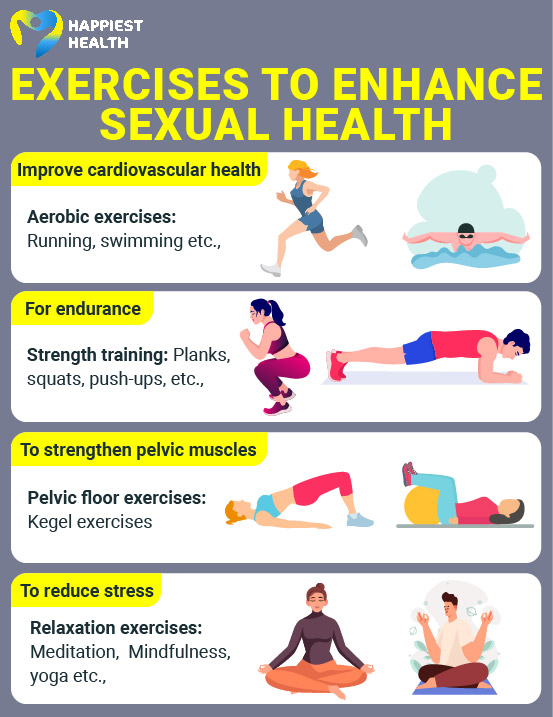
The Fading Echo of Youth: A Common Fear
There’s a silent apprehension that often accompanies the march of time – a quiet fear that with each passing year, a vital part of ourselves, our sexual vibrancy, will inevitably diminish. We hear the anecdotes, see the media portrayals, and sometimes even feel the subtle shifts within our own bodies. Erectile function might become less reliable, lubrication less abundant, orgasms less intense, and the sheer stamina for intimacy, a distant memory. This narrative, often presented as an unchangeable decree of aging, can breed a sense of resignation, leading many to believe that the "peak" of their sexual life is a transient moment, destined to recede into a landscape of compromise and decline.
But what if this narrative, while acknowledging some physiological truths, is incomplete? What if the perceived inevitability of sexual decline is less about age itself, and more about a lack of proactive engagement? What if, much like preserving the strength of our muscles or the sharpness of our minds, we could actively protect, maintain, and even enhance our sexual wellness for the long haul? This is the story we aim to tell – a story of empowerment, resilience, and the profound impact of preventive exercises on securing a lifetime of sexual vitality.
Defining the Peak: More Than Just Performance
Before we embark on this journey of protection, let’s first clarify what "the peak" truly represents in the context of sexual wellness. It’s far more nuanced than a simple measure of erectile rigidity or vaginal lubrication. The sexual peak is a multifaceted summit, encompassing:
- Optimal Physiological Function: Reliable erections for men, robust lubrication and sensation for women, efficient orgasmic response for all genders. This involves healthy blood flow, nerve integrity, and muscular coordination.
- Robust Libido and Desire: A healthy drive, interest, and receptiveness to sexual activity, unhindered by fatigue, stress, or hormonal imbalances.
- Enhanced Pleasure and Sensation: The ability to experience profound physical and emotional enjoyment during intimacy, with heightened sensitivity and intensity.
- Confidence and Self-Efficacy: A positive body image, a belief in one’s own sexual capabilities, and freedom from performance anxiety.
- Intimacy and Connection: The capacity for deep emotional bonding and shared pleasure within relationships, where sex serves as a powerful conduit for connection.
- Stamina and Resilience: The physical and mental endurance to engage in satisfying sexual activity without undue fatigue or discomfort.
Protecting this peak, then, is not merely about fending off dysfunction; it’s about cultivating a thriving, vibrant, and deeply satisfying sexual life that evolves and adapts with us through every stage of existence.
The Unsung Hero: Unveiling the Pelvic Floor
Our story often begins not with grand gestures, but with the quiet, foundational elements we often overlook. In the realm of sexual wellness, the unsung hero is undeniably the pelvic floor. Tucked away discreetly at the base of our core, these intricate layers of muscles, ligaments, and fascia form a hammock-like structure, cradling our pelvic organs (bladder, bowel, uterus/prostate). For too long, the pelvic floor has been relegated to conversations about childbirth or incontinence, its profound role in sexual function largely ignored.
Imagine a critical architectural support beam in a magnificent building. If that beam weakens, the entire structure becomes compromised. Similarly, a compromised pelvic floor can cast a long shadow over sexual health.
Anatomy of Arousal and Orgasm: The Pelvic Floor’s Starring Role
For men, the pelvic floor muscles, particularly the bulbocavernosus and ischiocavernosus, are instrumental in achieving and maintaining erections. They contract to compress veins, trapping blood in the penis, thus facilitating rigidity. During ejaculation, rhythmic contractions of these muscles propel semen. A strong, coordinated pelvic floor directly translates to firmer erections, better ejaculatory control, and potentially more intense orgasms.
For women, the pelvic floor muscles encircle the vaginal opening and clitoris. Their strength and flexibility are vital for sensation, lubrication, and orgasmic response. During arousal, these muscles relax and then rhythmically contract during orgasm, contributing to its intensity. A well-toned pelvic floor can enhance clitoral sensitivity, improve vaginal tone, and provide crucial support to prevent prolapse, which can interfere with comfort and pleasure.
But the story isn’t just about strength; it’s also about control and relaxation. A pelvic floor that is constantly tense or in spasm can lead to pain (dyspareunia), difficulty with penetration, and even hinder arousal and orgasm. Conversely, a weak or poorly coordinated pelvic floor can contribute to erectile dysfunction (ED), urinary incontinence (which can severely impact sexual confidence), reduced sensation, and diminished orgasmic intensity.
The Wake-Up Call: A Hypothetical Scenario
Consider David, a man in his late 40s. He’s active, watches his diet, but recently noticed a subtle decline. His erections aren’t as firm as they used to be, and he sometimes experiences a fleeting moment of urinary leakage after lifting weights. He chalks it up to "getting older." One day, during an intimate moment, his erection falters. The embarrassment is palpable. He sees his doctor, who, after ruling out major medical issues, suggests a referral to a pelvic floor physical therapist. David is initially skeptical – "pelvic floor? Isn’t that for women after childbirth?" This moment marks a turning point, a wake-up call to an entirely overlooked dimension of his health.
Similarly, Sarah, in her early 50s, found sex increasingly uncomfortable. She experienced dryness and sometimes a dull ache during intercourse. Her orgasms, once reliable, became elusive. Like David, she attributed it to menopause. Her gynecologist recommended Kegel exercises, but Sarah, having tried them sporadically, found them ineffective. It wasn’t until a friend, a yoga instructor, spoke about the importance of pelvic floor release and proper engagement that Sarah began to understand the true potential of these muscles.
These hypothetical scenarios illustrate a common journey: a problem arises, prompting a search for solutions, which often leads to the revelation of the pelvic floor’s central role. Our aim, however, is to rewrite this script – to introduce the preventive narrative before the peak begins to fade.
The Core Preventive Exercises: Building the Foundation
The story of protecting your peak must begin with mastering the pelvic floor. These aren’t just exercises; they are an intimate conversation with your body, a reconnection to a vital, often neglected, power center.
1. Pelvic Floor Contractions (Kegels): The Art of Engagement
The term "Kegel" is widely known, but proper execution is surprisingly rare. Many people inadvertently clench their glutes, abs, or inner thighs, missing the target muscles entirely.



Post Comment