Small Berry, Big Benefits: Why You Should Swap Your Morning Grapes for Raspberries
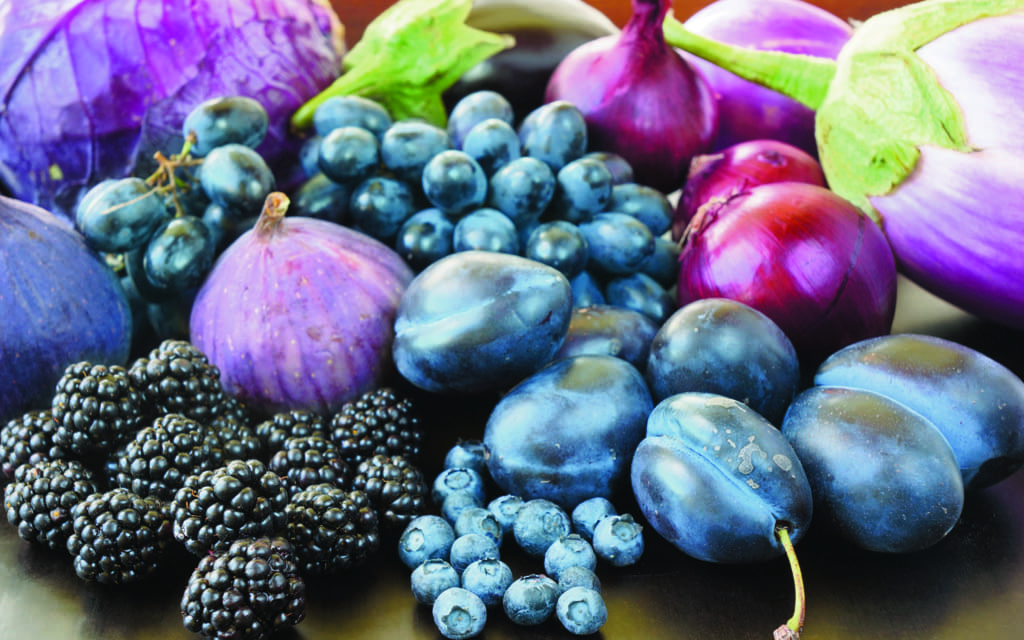
The morning routine. For many, it’s a sacred ritual, a brief moment of calm before the day’s demands begin their relentless clamor. And for just as many, that ritual includes a familiar bowl of fruit. Often, the star of this bowl is the humble grape: plump, juicy, sweet, and undeniably convenient. Grapes have long held their place as a go-to fruit, gracing breakfast tables, lunchboxes, and cheese boards with their unassuming charm. They are, by all accounts, a fine fruit, offering hydration and a touch of natural sweetness.
But what if I told you that a simple, almost imperceptible swap in this routine could unlock a cascade of benefits, transforming your morning fruit into a nutritional powerhouse that actively supports your health in profound ways? What if the small, ruby-red berry, often relegated to a supporting role or a special occasion, holds the key to enhanced vitality, sustained energy, and a formidable defense against the ravages of modern life?
This is the story of the raspberry, a fruit often underestimated, and why, for the knowledgeable and health-conscious among us, it’s time to consciously choose it over the ubiquitous grape. It’s a story not of denigration, but of elevation – recognizing potential, and making an informed choice to nourish our bodies with unparalleled efficiency.
The Reign of the Grape: Acknowledging its Merits, Understanding its Limits
Before we sing the praises of our crimson hero, let’s give the grape its due. Grapes are not "bad." Far from it. They are a good source of hydration, composed of over 80% water. They offer a dose of Vitamin K, essential for blood clotting and bone health, and a smattering of Vitamin C. Their skin contains resveratrol, an antioxidant that has garnered attention for its potential cardiovascular benefits, though the concentration varies greatly and often requires consuming significant quantities to achieve therapeutic effects.
Grapes are also undeniably delicious, their natural sugars providing a quick burst of energy, which can be appealing first thing in the morning. Their convenience is unparalleled – grab a bunch, rinse, and enjoy. They are a beloved staple, deeply ingrained in our culinary landscape.
However, for all their appealing qualities, grapes do present certain nutritional limitations, particularly when viewed through the lens of optimal health and compared to their more potent berry cousins. Their primary drawback lies in their sugar-to-fiber ratio. Grapes are relatively high in natural sugars (fructose and glucose) and surprisingly low in dietary fiber. A cup of red or green grapes, for instance, typically contains around 23 grams of sugar and only about 1 gram of fiber. This combination can lead to a quicker spike in blood sugar, potentially contributing to energy crashes later in the day, and offering less satiety, leaving you hungry sooner. For individuals managing blood sugar levels, or those aiming for sustained energy and weight management, this profile is less than ideal.
Furthermore, while grapes contain antioxidants, their diversity and concentration pale in comparison to the raspberry. They lack some of the unique phytochemicals that make raspberries truly exceptional, which we will soon explore. The story of the grape, then, is one of pleasantness and convenience, but not necessarily one of peak nutritional performance.
The Raspberry Unveiled: A Symphony of Small Wonders
Now, let us turn our attention to the raspberry, a fruit whose modest size belies an extraordinary nutritional profile. Imagine, for a moment, a tiny culinary marvel, meticulously engineered by nature to deliver a concentrated dose of health-promoting compounds. That, in essence, is the raspberry.
A single cup of raspberries offers a staggering array of benefits that systematically outshine its grape counterpart across multiple dimensions. This isn’t just about more vitamins; it’s about a fundamentally different and superior nutritional architecture.
1. The Fiber Powerhouse: Gut Health and Beyond
Perhaps the most striking difference between raspberries and grapes lies in their fiber content. While a cup of grapes offers a paltry 1 gram of fiber, the same serving of raspberries delivers an astonishing 8 grams. To put that into perspective, that’s nearly a third of the recommended daily intake for adults, packed into a single, delicious serving.
This fiber isn’t just a number; it’s a dynamic duo of soluble and insoluble fiber, each playing a critical role in your health:
- Insoluble Fiber: The "roughage" that adds bulk to stool, facilitating regular bowel movements and preventing constipation. It acts like a broom, sweeping waste through the digestive tract. A healthy digestive system is the bedrock of overall health, influencing everything from nutrient absorption to immune function.
- Soluble Fiber: This type of fiber dissolves in water to form a gel-like substance. It’s a true superstar, contributing to:
- Satiety: The gel expands in the stomach, promoting a feeling of fullness that can significantly aid in weight management by reducing overall calorie intake.
- Blood Sugar Regulation: It slows down the absorption of sugar into the bloodstream, preventing rapid spikes and crashes, making raspberries an excellent choice for individuals with diabetes or those looking to maintain stable energy levels.
- Cholesterol Reduction: Soluble fiber binds to cholesterol in the digestive tract, preventing its absorption and helping to lower LDL ("bad") cholesterol levels, thus promoting cardiovascular health.
- Prebiotic Effects: It feeds the beneficial bacteria in your gut microbiome. A thriving gut microbiome is increasingly recognized as central to immune function, mood regulation, and even cognitive health.
By choosing raspberries, you’re not just eating fruit; you’re actively cultivating a healthier digestive system, promoting stable energy, and building a stronger internal defense.
2. The Antioxidant Arsenal: A Shield Against Oxidative Stress
While grapes do contain some antioxidants, raspberries boast an exceptionally diverse and potent array, particularly certain types that are less common in other fruits. This robust antioxidant profile is where raspberries truly shine as a protective food.



Post Comment